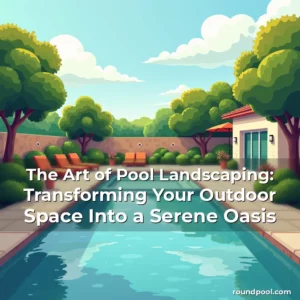
The Art of Poolside Elegance: Transforming Your Backyard Oasis with Smart Landscaping
In an era where outdoor living spaces have become extensions of our homes, pool landscaping stands out as both a functional necessity and a canvas for personal expression. The right design can turn your backyard into a serene retreat that complements your lifestyle while enhancing property value.
With thoughtful planning and creative execution, you can create a space that seamlessly blends natural beauty with practicality—whether you’re seeking tranquil relaxation or vibrant entertainment possibilities around your pool area.
Elevating Aesthetics Through Strategic Design Choices
Pool landscaping begins with envisioning how your landscape will interact with your swimming pool’s shape and orientation. This initial step sets the foundation for creating harmonious outdoor environments that reflect your personality and needs.
Around rectangular pools, linear elements such as stone pathways or grassy borders often work best. For freeform designs, curved hedges or meandering flower beds can enhance visual interest without overwhelming the space.
Consider the interplay between sunlight and shade when selecting plantings. Deciduous trees provide cooling shade during summer months while allowing winter sun to warm your pool deck naturally.
- Determine primary usage: Will your pool be used primarily for leisurely soaking or active recreation? This influences whether you need more seating areas versus open play zones.
- Assess drainage patterns: Understanding water flow helps prevent erosion issues around your pool perimeter which could damage both plants and hardscape features over time.
Proper site analysis also involves checking soil composition to determine what types of vegetation thrive locally. Native species typically require less maintenance than non-native alternatives while still offering attractive visuals year-round.
Creating Functional Zones Around Your Pool Area
Effective pool landscaping goes beyond aesthetics by establishing clearly defined functional zones within your yard. These designated areas help maximize enjoyment while minimizing potential conflicts between different activities happening simultaneously near the pool.
An ideal setup includes at least three distinct zones: one focused on lounging and socializing, another dedicated to dining experiences, and a third designed specifically for recreational purposes like playing games or exercising outdoors.
For the lounging zone, consider incorporating comfortable seating options made from weather-resistant materials. Shade structures like umbrellas or pergolas add comfort while protecting skin from harmful UV rays.
Your dining area might benefit from built-in countertops or tables paired with durable chairs that withstand frequent use. Including overhead lighting ensures evening meals remain enjoyable even after sunset.
The recreational zone requires careful consideration regarding surface type; concrete pavers offer durability but may feel colder underfoot compared to wood decking solutions which provide better insulation against temperature changes.
Selecting Appropriate Plant Life for Optimal Impact
Choosing suitable flora plays a crucial role in achieving successful poolside landscapes. Plants not only contribute aesthetic appeal but also serve practical functions such as reducing noise pollution and providing natural privacy screens.
Climbing vines are excellent choices for screening unsightly views while adding vertical dimension through their growth patterns. Species like jasmine or trumpet vine produce fragrant blossoms that attract beneficial pollinators like bees and butterflies.
Tall shrubs positioned strategically along fences or walls act as effective windbreaks while maintaining visual continuity across your property line. Evergreen varieties ensure consistent coverage throughout changing seasons.
Bushes placed closer to the edge of your pool should possess dense foliage capable of filtering debris before reaching the water itself. Regular pruning maintains their appearance and prevents branches from becoming too heavy for supporting limbs.
Enhancing Visual Appeal with Color Theory Principles
Applying principles of color theory allows you to curate visually striking arrangements that engage viewers emotionally while reflecting individual tastes effectively. Thoughtful combinations elevate ordinary gardens into extraordinary displays worthy of admiration.
Complementary colors – those opposite each other on the traditional color wheel – generate dynamic contrasts perfect for making bold statements without appearing jarring. Blue-green tones adjacent to oranges create vivid pairings reminiscent of tropical beach scenes.
Analogous schemes involve grouping hues next to one another for softer transitions. Lavender blues blending smoothly into soft purples evoke calming effects ideal for meditation spots or reading nooks nestled among greenery.
Monochromatic approaches rely solely upon varying shades of single colors to establish cohesion across entire landscapes. Deep emerald greens layered with lighter sage tones mimic forested settings inviting exploration at any hour.
Integrating Hardscaping Elements Seamlessly Into Natural Settings
Hardscape components form essential structural foundations within overall poolside designs. When integrated thoughtfully, these permanent installations complement rather than compete with surrounding vegetation creating balanced ecosystems that flourish together.
Paver patios constructed using local stones maintain authenticity by mirroring regional geological characteristics found nearby. Their textured surfaces encourage natural drainage processes benefiting root systems beneath ground level.
Stone retaining walls double functionality by stabilizing slopes prone to erosion while serving decorative purposes through patterned layouts formed from carefully selected rock formations.
Concrete steps leading down toward water edges incorporate subtle variations in finish levels to differentiate them visibly yet comfortably from regular walking paths established elsewhere around premises.
Maximizing Water Features for Added Ambiance
Thoughtfully incorporated water features amplify sensory experiences associated with aquatic environments significantly increasing overall satisfaction derived from spending time outdoors near pools.
Fountains introduce soothing sounds masking unwanted noises originating from traffic routes located some distance away yet still audible enough to bother inhabitants frequently.
Waterfalls cascading gently onto rocks simulate natural streams fostering wildlife habitats including amphibians drawn to moist microclimates created intentionally through human intervention.
Mirrored ponds reflect sky above transforming static vistas into ever-changing masterpieces influenced continuously by cloud movement patterns occurring overhead daily.
Ensuring Long-Term Sustainability Within Your Landscape Plans
Sustainable practices must become integral aspects whenever developing long-range visions concerning future appearances expected from maintained properties containing pools surrounded by cultivated grounds.
Installing drip irrigation systems delivers moisture precisely where needed avoiding wasteful runoff common among conventional sprinkler methods still widely utilized despite known inefficiencies present therein.
Xeriscaping techniques reduce dependency on artificial watering regimes through selection of drought-tolerant species adapted naturally to arid conditions prevailing regionally determined based upon climate data available publicly accessible online sources today.
Recycling greywater collected from household fixtures enables reuse opportunities extending availability limits imposed strictly upon fresh municipal supplies otherwise consumed unnecessarily in absence of conscious conservation measures implemented deliberately beforehand.
Professional Consultation vs DIY Approaches – Weighing Pros & Cons
Deciding whether to pursue professional assistance or manage projects independently depends largely upon complexity involved alongside resources allocated towards realization efforts required regardless chosen pathway followed ultimately.
Licensed landscapers bring specialized knowledge acquired through formal education combined with years spent working various sites exposing them constantly evolving trends shaping current industry standards actively practiced nationwide currently.
DIY enthusiasts enjoy greater control over final outcomes achievable through hands-on participation although success hinges heavily upon accurate implementation following detailed blueprints drafted meticulously ahead of construction phases commencing.
Both options carry inherent risks ranging from financial investments necessary upfront costs incurred initially versus gradual savings realized later due increased efficiency resulting from optimized layouts executed correctly first attempt instead requiring costly revisions correcting errors discovered post completion.
Conclusion
Transforming your pool area into a breathtaking extension of your home demands careful attention to detail spanning multiple disciplines encompassing botany, architecture, engineering, and environmental science.
By integrating strategic planning with artistic vision guided consistently throughout development process ensuring harmony exists between every component contributing collectively toward creation memorable outdoor sanctuary truly reflective individual style preferences expressed boldly unapologetically.
“`html
“`
The Art of Poolside Elegance: Transforming Your Backyard Oasis with Smart Landscaping
In an era where outdoor living spaces have become extensions of our homes, pool landscaping stands out as both a functional necessity and a canvas for personal expression. The right design can turn your backyard into a serene retreat that complements your lifestyle while enhancing property value.
With thoughtful planning and creative execution, you can create a space that seamlessly blends natural beauty with practicality—whether you’re seeking tranquil relaxation or vibrant entertainment possibilities around your pool area.
Elevating Aesthetics Through Strategic Design Choices
Pool landscaping begins with envisioning how your landscape will interact with your swimming pool’s shape and orientation. This initial step sets the foundation for creating harmonious outdoor environments that reflect your personality and needs.
Around rectangular pools, linear elements such as stone pathways or grassy borders often work best. For freeform designs, curved hedges or meandering flower beds can enhance visual interest without overwhelming the space.
Consider the interplay between sunlight and shade when selecting plantings. Deciduous trees provide cooling shade during summer months while allowing winter sun to warm your pool deck naturally.
- Determine primary usage: Will your pool be used primarily for leisurely soaking or active recreation? This influences whether you need more seating areas versus open play zones.
- Assess drainage patterns: Understanding water flow helps prevent erosion issues around your pool perimeter which could damage both plants and hardscape features over time.
Proper site analysis also involves checking soil composition to determine what types of vegetation thrive locally. Native species typically require less maintenance than non-native alternatives while still offering attractive visuals year-round.
Creating Functional Zones Around Your Pool Area
Effective pool landscaping goes beyond aesthetics by establishing clearly defined functional zones within your yard. These designated areas help maximize enjoyment while minimizing potential conflicts between different activities happening simultaneously near the pool.
An ideal setup includes at least three distinct zones: one focused on lounging and socializing, another dedicated to dining experiences, and a third designed specifically for recreational purposes like playing games or exercising outdoors.
For the lounging zone, consider incorporating comfortable seating options made from weather-resistant materials. Shade structures like umbrellas or pergolas add comfort while protecting skin from harmful UV rays.
Your dining area might benefit from built-in countertops or tables paired with durable chairs that withstand frequent use. Including overhead lighting ensures evening meals remain enjoyable even after sunset.
The recreational zone requires careful consideration regarding surface type; concrete pavers offer durability but may feel colder underfoot compared to wood decking solutions which provide better insulation against temperature changes.
Selecting Appropriate Plant Life for Optimal Impact
Choosing suitable flora plays a crucial role in achieving successful poolside landscapes. Plants not only contribute aesthetic appeal but also serve practical functions such as reducing noise pollution and providing natural privacy screens.
Climbing vines are excellent choices for screening unsightly views while adding vertical dimension through their growth patterns. Species like jasmine or trumpet vine produce fragrant blossoms that attract beneficial pollinators like bees and butterflies.
Tall shrubs positioned strategically along fences or walls act as effective windbreaks while maintaining visual continuity across your property line. Evergreen varieties ensure consistent coverage throughout changing seasons.
Bushes placed closer to the edge of your pool should possess dense foliage capable of filtering debris before reaching the water itself. Regular pruning maintains their appearance and prevents branches from becoming too heavy for supporting limbs.
Enhancing Visual Appeal with Color Theory Principles
Applying principles of color theory allows you to curate visually striking arrangements that engage viewers emotionally while reflecting individual tastes effectively. Thoughtful combinations elevate ordinary gardens into extraordinary displays worthy of admiration.
Complementary colors – those opposite each other on the traditional color wheel – generate dynamic contrasts perfect for making bold statements without appearing jarring. Blue-green tones adjacent to oranges create vivid pairings reminiscent of tropical beach scenes.
Analogous schemes involve grouping hues next to one another for softer transitions. Lavender blues blending smoothly into soft purples evoke calming effects ideal for meditation spots or reading nooks nestled among greenery.
Monochromatic approaches rely solely upon varying shades of single colors to establish cohesion across entire landscapes. Deep emerald greens layered with lighter sage tones mimic forested settings inviting exploration at any hour.
Integrating Hardscaping Elements Seamlessly Into Natural Settings
Hardscape components form essential structural foundations within overall poolside designs. When integrated thoughtfully, these permanent installations complement rather than compete with surrounding vegetation creating balanced ecosystems that flourish together.
Paver patios constructed using local stones maintain authenticity by mirroring regional geological characteristics found nearby. Their textured surfaces encourage natural drainage processes benefiting root systems beneath ground level.
Stone retaining walls double functionality by stabilizing slopes prone to erosion while serving decorative purposes through patterned layouts formed from carefully selected rock formations.
Concrete steps leading down toward water edges incorporate subtle variations in finish levels to differentiate them visibly yet comfortably from regular walking paths established elsewhere around premises.
Maximizing Water Features for Added Ambiance
Thoughtfully incorporated water features amplify sensory experiences associated with aquatic environments significantly increasing overall satisfaction derived from spending time outdoors near pools.
Fountains introduce soothing sounds masking unwanted noises originating from traffic routes located some distance away yet still audible enough to bother inhabitants frequently.
Waterfalls cascading gently onto rocks simulate natural streams fostering wildlife habitats including amphibians drawn to moist microclimates created intentionally through human intervention.
Mirrored ponds reflect sky above transforming static vistas into ever-changing masterpieces influenced continuously by cloud movement patterns occurring overhead daily.
Ensuring Long-Term Sustainability Within Your Landscape Plans
Sustainable practices must become integral aspects whenever developing long-range visions concerning future appearances expected from maintained properties containing pools surrounded by cultivated grounds.
Installing drip irrigation systems delivers moisture precisely where needed avoiding wasteful runoff common among conventional sprinkler methods still widely utilized despite known inefficiencies present therein.
Xeriscaping techniques reduce dependency on artificial watering regimes through selection of drought-tolerant species adapted naturally to arid conditions prevailing regionally determined based upon climate data available publicly accessible online sources today.
Recycling greywater collected from household fixtures enables reuse opportunities extending availability limits imposed strictly upon fresh municipal supplies otherwise consumed unnecessarily in absence of conscious conservation measures implemented deliberately beforehand.
Professional Consultation vs DIY Approaches – Weighing Pros & Cons
Deciding whether to pursue professional assistance or manage projects independently depends largely upon complexity involved alongside resources allocated towards realization efforts required regardless chosen pathway followed ultimately.
Licensed landscapers bring specialized knowledge acquired through formal education combined with years spent working various sites exposing them constantly evolving trends shaping current industry standards actively practiced nationwide currently.
DIY enthusiasts enjoy greater control over final outcomes achievable through hands-on participation although success hinges heavily upon accurate implementation following detailed blueprints drafted meticulously ahead of construction phases commencing.
Both options carry inherent risks ranging from financial investments necessary upfront costs incurred initially versus gradual savings realized later due increased efficiency resulting from optimized layouts executed correctly first attempt instead requiring costly revisions correcting errors discovered post completion.
Conclusion
Transforming your pool area into a breathtaking extension of your home demands careful attention to detail spanning multiple disciplines encompassing botany, architecture, engineering, and environmental science.
By integrating strategic planning with artistic vision guided consistently throughout development process ensuring harmony exists between every component contributing collectively toward creation memorable outdoor sanctuary truly reflective individual style preferences expressed boldly unapologetically.
“`html
“`