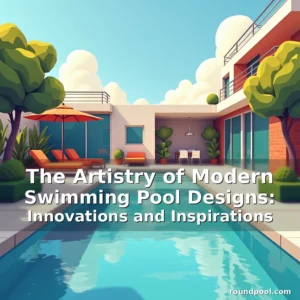

Innovative Swimming Pool Designs: Modern Trends, Customization & Sustainability Insights for Homeowners
The evolution of swimming pool design reflects shifting priorities in home aesthetics, technology, and environmental consciousness. From traditional concrete shells to futuristic glass-bottomed basins, contemporary pools blend artistry with engineering to meet diverse lifestyles. These innovations cater to both recreational enjoyment and holistic wellness, redefining what a backyard oasis can offer.
Modern pool designs prioritize seamless integration with outdoor living spaces, leveraging natural landscapes and architectural elements to enhance property value. Whether you’re drawn to minimalist geometries or lush aquatic gardens, there exists a tailored solution that aligns with your vision and functional needs.
Understanding Modern Swimming Pool Design Principles
Contemporary pool architecture balances visual appeal with practical functionality. Key principles include optimizing space utilization, selecting appropriate materials, and integrating with surrounding ecosystems. Designers often emphasize fluid lines that mimic natural bodies of water rather than rigidly defined edges.
A successful design begins with assessing site-specific conditions. Factors like sunlight expo For instance, sloped terrain may necessitate retaining walls or terraced configurations.
- Form vs. Function: While bold shapes captivate visually, they must maintain hydrodynamic efficiency for filtration systems and heating mechanisms.
- Material Selection: Fiberglass offers quick installation but lacks customization flexibility compared to gunite’s adaptability in shaping complex forms.
Sustainable design elements have become standard practice. Recirculating water systems paired with solar-powered pumps significantly reduce long-term operational costs. Moreover, incorporating native vegetation around the pool area minimizes chemical runoff and supports local biodiversity.
Lighting plays a pivotal role in extending usability beyond daylight hours. Submerged LED strips allow precise control over ambiance while reducing glare issues associated with traditional overhead fixtures. Smart controls enable users to adjust brightness levels according to activity type – whether it’s evening relaxation or competitive lap swimming sessions.
Exploring Popular Swimming Pool Styles
Diverse stylistic approaches reflect regional influences and homeowner preferences. Traditional inground pools remain popular due to their timeless elegance, whereas newer iterations push boundaries with unconventional layouts.
Freeform designs emulate natural lakescapes through irregular contours and rock formations. These organic shapes often feature varying depths to accommodate different activities – shallow areas perfect for children’s play zones adjacent to deeper end for adult recreation.
The Rise of Infinity Pools
Infinity edge pools create optical illusions by merging water with distant horizons. Their cascading waterfalls or disappearing edges appear to vanish into the landscape, offering panoramic views especially effective when situated near cliffsides or elevated decks.
Statistical data reveals growing demand for infinity-edge installations, with market research indicating a 28% increase in inquiries since 2020. However, these sophisticated structures require meticulous engineering calculations to manage water retention and prevent erosion risks along the transition zone between pool surface and external terrain.
Geometric pools embrace angular precision through sharp corners and symmetrical patterns. Cubist-inspired models contrast sharply against soft landscaping features, creating striking focal points in formal garden settings. Polished stainless steel cladding on pool coping accentuates these clean lines effectively.
Incorporating Innovative Technologies Into Pool Construction
Smart pool automation systems represent significant advancements in convenience and security management. Integrated sensors monitor pH balance, chlorine levels, and temperature fluctuations automatically adjusting treatment protocols accordingly.
Voice-controlled interfaces now permit hands-free operation of filtration cycles, heater activation, and even perimeter alarm systems via smartphone applications. Some high-end models connect seamlessly with home entertainment networks allowing synchronized light shows during social gatherings.
Water conservation remains paramount given increasing drought concerns globally. Drought-resistant pool liners made from recycled plastics provide durable alternatives to conventional vinyl options while minimizing resource depletion during production processes.
Energy-efficient heat pump units replace outdated electric resistance heaters by transferring ambient warmth instead of generating it artificially. Studies show these systems consume up to 60% less electricity annually compared to older models.
Personalizing Your Backyard Oasis Through Customization Options
From tile selections to deck material choices, countless variables contribute to crafting a bespoke aquatic environment. Selecting complementary colors between pool finish and surrounding hardscape elements creates cohesive visual harmony.
Terrazzo tiles featuring aggregate mixtures of marble chips embedded in cement base deliver distinctive textures ideal for Mediterranean-style retreats. Alternatively, mosaic tiles arranged in intricate patterns suit Art Deco themes prevalent in urban properties.
Landscape architects frequently recommend planting salt-tolerant species around pool perimeters to avoid damage caused by chlorinated water splashes. Dwarf palm trees positioned strategically act as natural privacy screens enhancing seclusion factor.
Furniture placement deserves careful consideration too. Floating loungers facilitate easy access to water while fixed seating arrangements encourage social interaction at dining tables placed nearby. Outdoor kitchens integrated with barbecues ensure complete meal preparation capabilities right beside cooling waters.
Elevating Aesthetics With Architectural Features And Decor Elements
Built-in seating along pool edges transforms ordinary borders into comfortable resting places. Reclaimed wood benches lined with weatherproof cushions complement rustic country estates particularly well.
Murals painted beneath waterline generate mesmerizing effects visible when viewed from above. Abstract wave motifs or underwater scenes rendered in vibrant hues add artistic flair without compromising safety standards.
Covering systems range from simple manual lids to automated retractable roofs equipped with UV protection layers. Retractable canvas shades allow partial sun exposure while preventing excessive evaporation losses during hot summer months.
Integrating spas alongside main pools expands therapeutic benefits available. Hot tubs located within enclosed pavilions benefit from controlled climate regulation enabling year-round usage regardless of seasonal changes outdoors.
Ensuring Safety In Contemporary Pool Environments
Rigorous safety precautions mitigate risks inherent to waterfront living spaces. Non-slip coatings applied to steps and entry points drastically reduce slipping hazards particularly beneficial for households with young children present regularly.
Automatic drain covers prevent entrapment incidents by eliminating suction forces capable of trapping limbs underneath plumbing outlets. Regular inspection schedules ensure continued effectiveness over time despite normal wear-and-tear occurrences.
Alarm systems detect unauthorized entries triggering alerts sent directly to mobile devices linked via Wi-Fi connectivity. Motion sensor cameras record footage continuously providing added peace-of-mind regarding property security matters.
Proper fencing regulations vary regionally but typically mandate minimum height requirements plus self-closing gates designed specifically for childproofing purposes. Latching mechanisms guarantee doors cannot be opened accidentally by curious toddlers attempting exploration.
Considering Environmental Impact Throughout The Lifecycle Of A Pool
Sustainable construction practices minimize ecological footprint during initial phases. Using locally sourced aggregates reduces transportation emissions contributing towards carbon neutrality objectives set forth by many municipalities nowadays.
Recycled glass countertops installed near poolside areas demonstrate commitment toward circular economy principles by repurposing industrial waste products otherwise destined for landfills. These surfaces also exhibit superior stain resistance qualities advantageous near aqueous environments.
Ongoing maintenance routines incorporate eco-conscious cleaning agents devoid of harsh chemicals harming aquatic life residing nearby. Natural enzymes derived from plant sources perform comparable sanitizing functions safely dissolving organics without leaving residual traces behind.
Drainage systems redirect rainwater collected from rooftops into underground cisterns reserved exclusively for irrigation purposes. This closed-loop approach conserves municipal resources simultaneously nourishing lawns and flowerbeds planted adjacent to recreational facilities.
Evaluating Cost Considerations For Different Types Of Pools
Pricing varies dramatically depending upon chosen construction method and included amenities. Basic fiberglass models cost approximately $30-$50 per square foot whereas custom-built gunite versions escalate rapidly reaching upwards of $100+ per square foot inclusive of additional features.
Renovation expenses differ considerably from ground-up builds requiring demolition of old structures before initiating new excavation procedures. Existing foundations sometimes permit retrofitting upgrades without full reconstruction efforts saving substantial sums overall.
Long-term operating expenditures depend heavily upon selected equipment types. High-efficiency heat pumps lower annual utility bills significantly compared to propane-fueled alternatives commonly found in older installations still in service today.
Insurance premiums fluctuate according to perceived risk levels assessed by underwriters evaluating potential liability exposures related to accidental drownings or slip-related injuries occurring on premises owned by policyholders.
Conclusion
Swimming pool design encompasses multifaceted decision-making involving aesthetic preferences, technological integrations, and environmental responsibilities equally important aspects warranting thorough evaluation prior to finalizing plans.
By prioritizing sustainability initiatives alongside creative expression opportunities, homeowners cultivate versatile recreational hubs serving dual roles as family gathering spots and health promotion centers benefiting occupants physically and mentally alike.