
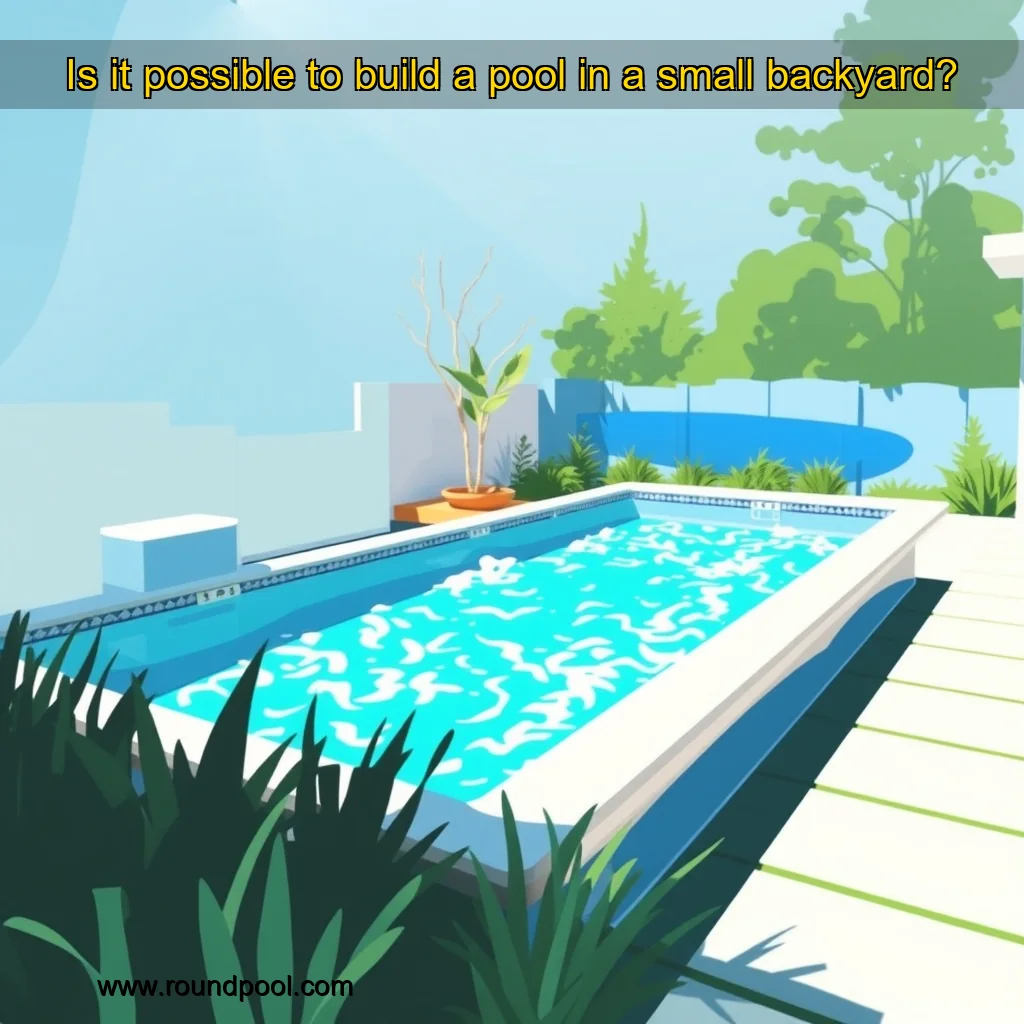
Small Spaces, Big Splash
The Manu pool design is a testament to this trend.
The Manu is a unique pool design that has gained popularity worldwide.
The Rise of Tiny Pools
Tiny Pools has experienced rapid growth since its inception in 2021. The company’s success can be attributed to the increasing demand for small backyard pools.
The pool is 15 feet long, 8 feet wide, and 4 feet deep. It’s a small but mighty pool that can accommodate up to 12 people at a time.
The Origins of the Manu Pool
The Manu pool has its roots in ancient civilizations, dating back to the 16th century when it was first built in the Andean region of Peru. The pool was constructed by the indigenous people of the region, who were known for their ingenuity and skill in building structures that blended seamlessly into their natural surroundings. The Manu pool was designed to be a sacred space, used for spiritual and ceremonial purposes.
The Construction Process
The construction of the Manu pool was a labor-intensive process that required great skill and craftsmanship. The pool was built using local materials, such as stone and wood, which were carefully selected and transported to the construction site. The pool’s design was influenced by the surrounding landscape, with the water feature being built into a natural rock formation. The pool’s walls were constructed using a combination of stone and brick, with a waterproof coating applied to prevent leaks. The pool’s floor was made of smooth stone, providing a comfortable surface for swimming and relaxation. The pool’s roof was designed to allow for natural ventilation, with a series of small openings that allowed for airflow and sunlight.
The Modern Revival
In recent years, the Manu pool has experienced a resurgence in popularity, with many people seeking to recreate the ancient design in their own backyards. The pool’s unique design and natural surroundings have made it a sought-after feature for luxury homes and resorts.
The Rise of Small Pools
In recent years, there has been a noticeable trend towards smaller pools in residential backyards. This shift is attributed to various factors, including changing lifestyles, environmental concerns, and the increasing popularity of alternative pool designs. Changing lifestyles: With the rise of urbanization and increasingly busy lives, homeowners are opting for smaller pools that require less maintenance and upkeep. Environmental concerns: The environmental impact of large pools has become a growing concern, with many homeowners seeking more eco-friendly options. * Alternative designs: The popularity of alternative pool designs, such as tiny pools, has also contributed to the decline in larger pool sizes.**
The Benefits of Small Pools
While smaller pools may seem like a compromise, they offer several benefits, including:
“The trend is clear, and it’s not just about the length of the pool, it’s about the overall design and functionality.”
The Evolution of Kiwi Pools
The concept of a pool has been around for centuries, but the modern Kiwi pool, as we know it today, has undergone significant changes over the past few decades. From its humble beginnings as a simple backyard oasis to the sophisticated, high-tech pools of today, the Kiwi pool has evolved to meet the changing needs and preferences of homeowners.
The Rise of the Modern Kiwi Pool
In the 1970s and 1980s, the traditional rectangular pool became the norm. However, as the years went by, homeowners began to look for more innovative and functional designs.
Tiny Pools is a relatively new company, founded in 2018, and has gained popularity through word-of-mouth and social media.
Wright Pools and Spas: A Luxury Pool Experience
Wright Pools and Spas is a high-end pool and spa company that offers a unique and luxurious experience for its clients. With a focus on quality and attention to detail, Wright Pools and Spas aims to provide its customers with a truly unforgettable experience.
Key Features and Benefits
Tiny Pools: A Budget-Friendly Alternative
Tiny Pools is a relatively new company that has gained popularity through word-of-mouth and social media.
The cost of a pool can vary greatly depending on the size and complexity of the pool.
The Basics of Building a Pool
Understanding the Regulations
When it comes to building a pool, there are several regulations that councils in New Zealand must follow. One of the most important is the requirement for building consent. However, there are some exceptions to this rule.
Exemptions from Building Consent
Some councils in New Zealand don’t require building consent for a pool that is less than 35,000 litres. This is because the pool is considered a small, low-risk installation. However, this exemption only applies to pools that are less than 35,000 litres in capacity.
Resource Consent
On the other hand, some proposed pools can trigger a resource consent. This is because the pool may have a significant impact on the environment or the surrounding area. For example, a large pool may require a significant amount of water or electricity to operate, which can have a negative impact on the environment.
The Cost of a Pool
Factors Affecting the Cost
The cost of a pool can vary greatly depending on the size and complexity of the pool. Some factors that can affect the cost include:
Building a pool is a costly and complex endeavor that requires careful planning and consideration of regulatory challenges.
The Reality of Building a Pool
When it comes to adding a pool to your backyard, many homeowners start with a romantic idea of a luxurious oasis. They envision themselves lounging by the water, entertaining friends and family, and enjoying the warm sunshine. However, as the project progresses, the harsh realities of building a pool begin to set in.
The High Costs of Pool Construction
One of the most significant challenges homeowners face is the high cost of pool construction. The average cost of building a pool can range from $30,000 to over $100,000, depending on the size, material, and features. This cost can be a significant burden for many homeowners, especially those on a tight budget. Factors that contribute to the high cost of pool construction include: + Labor costs: Hiring a professional contractor to build the pool can be expensive. + Materials: The cost of materials such as concrete, steel, and glass can vary greatly depending on the quality and brand. + Features: Adding features such as a hot tub, water slide, or LED lighting can increase the overall cost of the project.
The Regulatory Challenges of Pool Construction
Another significant challenge homeowners face is navigating the complex regulatory landscape surrounding pool construction. Local building codes, zoning regulations, and homeowners association (HOA) rules can all impact the feasibility of a pool project. Key regulatory considerations include: + Building codes: Ensuring that the pool meets local building codes and safety standards can be a challenge. + Zoning regulations: Check with local authorities to ensure that the pool complies with zoning regulations.